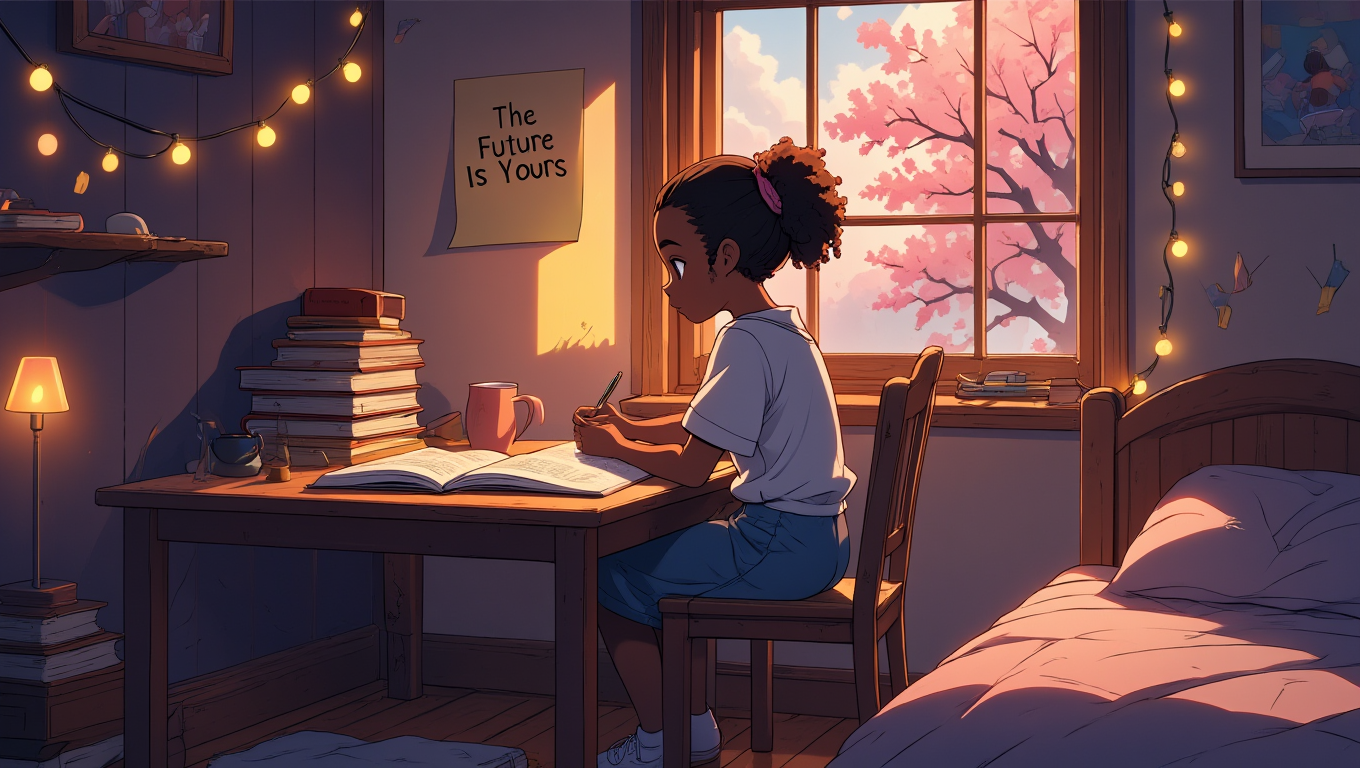
When we think about preparing children for school success, our minds often go to classrooms, teachers, and textbooks. But learning doesn’t begin in kindergarten—it begins at home. The
Literacy-Rich Homes Campaign is built on the idea that families play the most powerful role in sparking a child’s love for reading, writing, and storytelling.
By turning homes into environments filled with books, conversations, and meaningful interactions, the campaign seeks to bridge gaps in early learning and set children on a path to lifelong success.
What Is a Literacy-Rich Home?A literacy-rich home isn’t defined by having a library’s worth of books or expensive educational tools. Instead, it’s about
creating daily opportunities for children to interact with language and print in meaningful ways.
This includes:
Access to books, magazines, and newspapers that reflect children’s interests and cultures.
Conversations at the dinner table that encourage curiosity and expression.
Storytelling traditions that connect children with family history and imagination.
Everyday literacy activities, like reading recipes, writing grocery lists, or labeling household items.
The Literacy-Rich Homes Campaign encourages families to see literacy as more than reading—it’s about weaving language and learning into the fabric of everyday life.
How Does the Campaign Work?The campaign works by partnering with schools, libraries, nonprofits, and community organizations to provide families with resources and strategies to support literacy at home. Key components often include:
Book Access: Distributing free or low-cost books to build home libraries.
Parent Engagement Workshops: Helping caregivers learn simple strategies to support reading and writing at home.
Community Literacy Events: Story hours, book fairs, and family reading nights that make literacy fun and accessible.
Partnerships: Working with educators, pediatricians, and local businesses to promote literacy across the community.
By mobilizing communities, the campaign makes literacy support both sustainable and culturally relevant.
Why Literacy-Rich Homes Matter for EducationChildren who grow up in literacy-rich environments consistently perform better in school and beyond. Research shows that:
Early exposure to books and storytelling builds vocabulary and comprehension.
Reading with caregivers develops stronger emotional bonds and communication skills.
Children who see adults reading are more likely to view literacy as valuable.
A strong foundation in literacy skills boosts performance across all subjects—not just reading.
Simply put, literacy is a
gateway skill. When children master it early, they are better prepared to tackle math, science, history, and the challenges of higher education.
How Families Can Create Literacy-Rich Homes
Every family can create a literacy-rich environment, regardless of income or background. Here are a few practical steps:
Make Reading a Daily Habit: Even 15 minutes of shared reading a day has measurable benefits.
Use Everyday Materials: Cereal boxes, street signs, and family letters can all spark literacy moments.
Encourage Storytelling: Ask children to share their day, make up stories, or retell favorite books.
Model Literacy: Let children see parents and caregivers reading, writing, and using language for real purposes.
Celebrate Achievements: Praise children when they finish a book, try a new word, or write something independently.
Conclusion: Small Steps, Big Impact
The Literacy-Rich Homes Campaign reminds us that every home has the power to shape a child’s educational journey. By surrounding children with language, stories, and encouragement, we plant the seeds of curiosity, confidence, and lifelong learning.
Whether through community partnerships or small daily habits, the campaign shows that when families and communities unite around literacy, the impact extends far beyond the classroom walls.
Resources & Further ReadingNational Association for the Education of Young Children (NAEYC) – Creating Literacy-Rich EnvironmentsAmerican Academy of Pediatrics – The Importance of Reading with ChildrenNational Literacy Trust – Why Literacy Matters